The Augmented Teacher and the Power of AI in Education
This week, BGS Director for Digital Learning, Enterprise and Sustainability, Mrs Hudson-Findley, shares her insightful thoughts on the exciting journey of integrating AI into education, encouraging us all to embrace its boundless potential.
The educational landscape has been quietly changing, evolving, and adapting to our technology-driven society. We have seen a number of rumbles in EdTech and Cloud Computing that have led to a more paperless environment. Yet, compared to the swift and transformative disruptions experienced in fields such as healthcare, transportation, and finance, the education sector remains a relatively untapped frontier. Artificial Intelligence (AI) in education is poised to change all of that. We are at the beginning of one of the most exciting periods in education to date. The potential to positively enhance a student’s learning has never been greater than it is now.

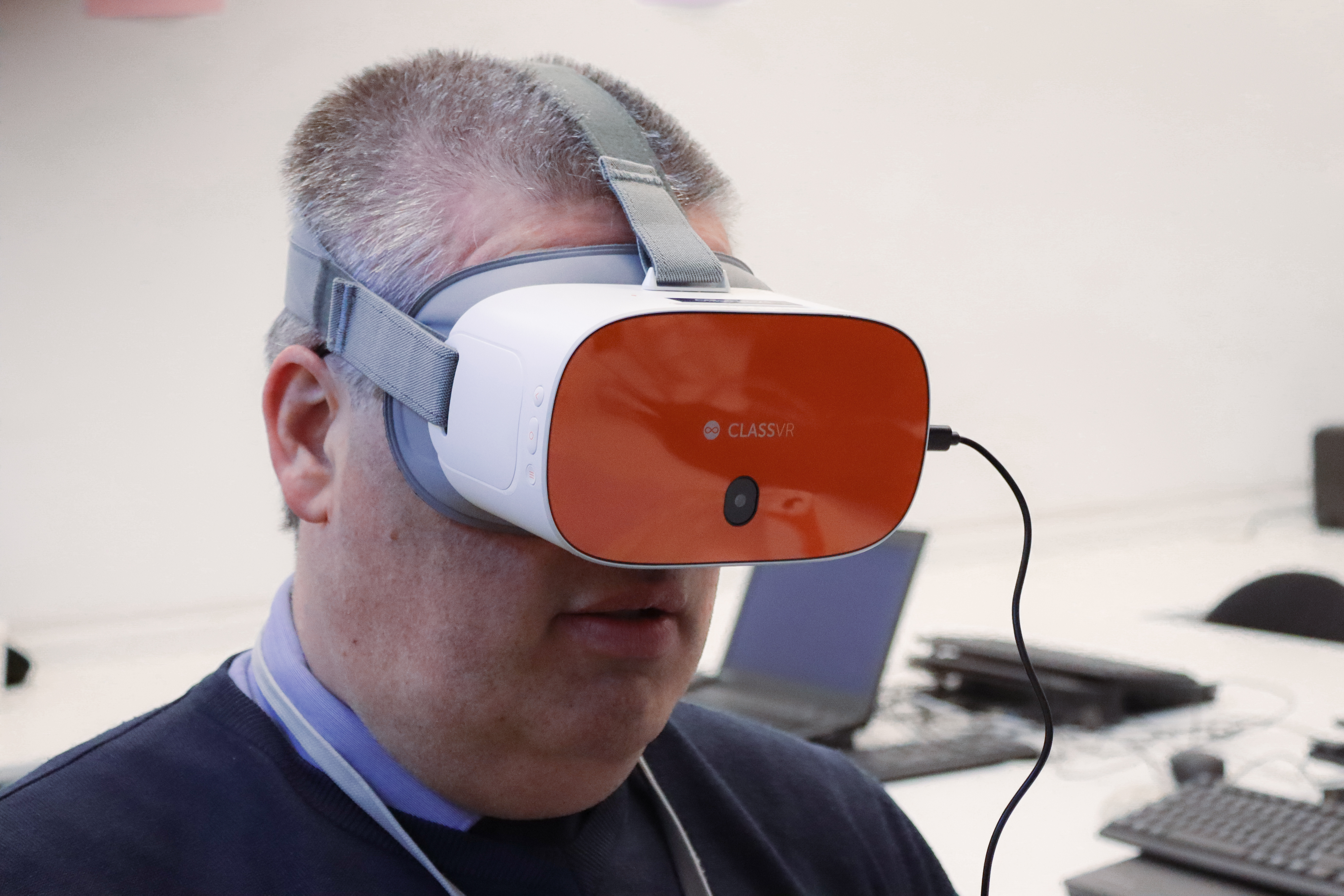
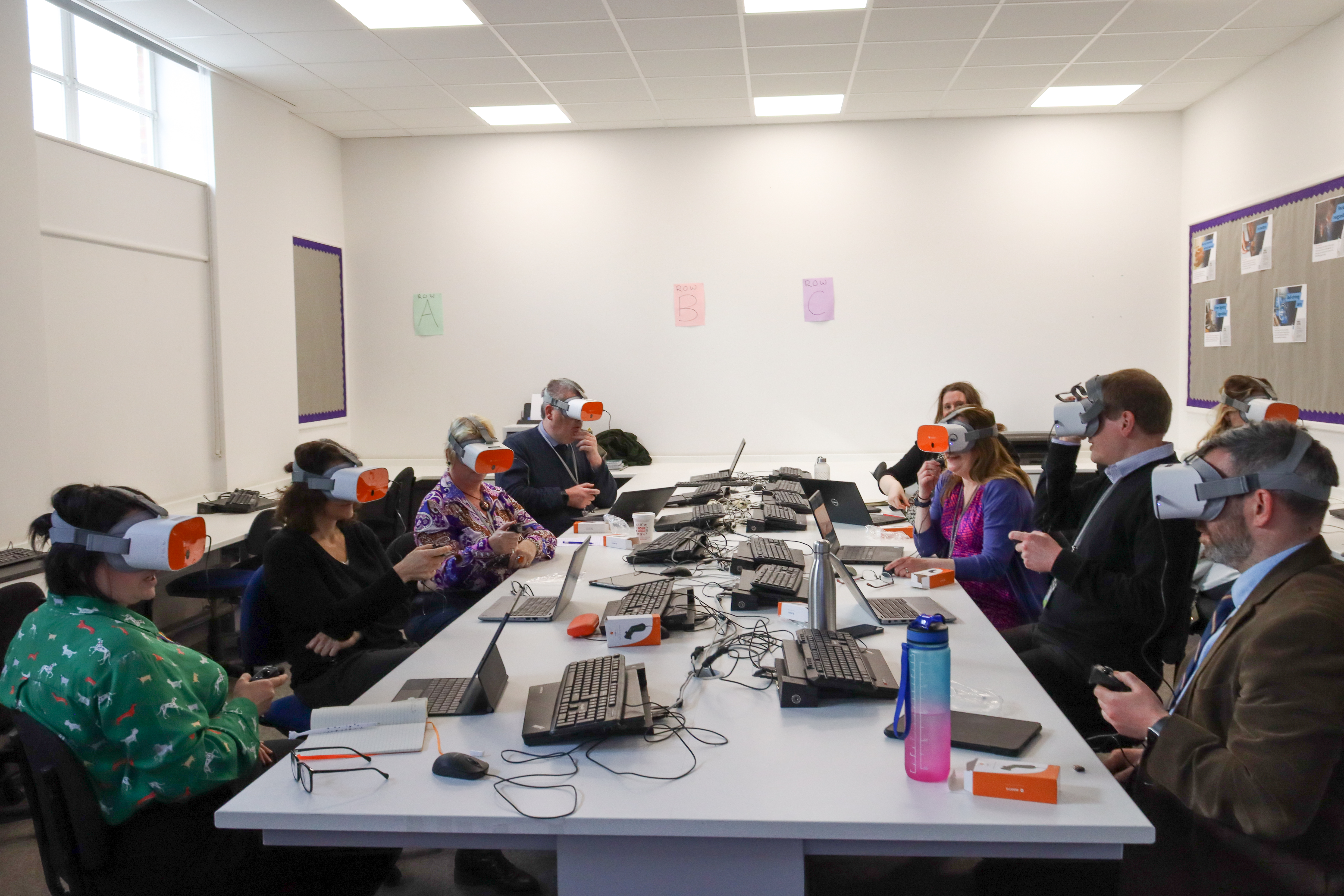
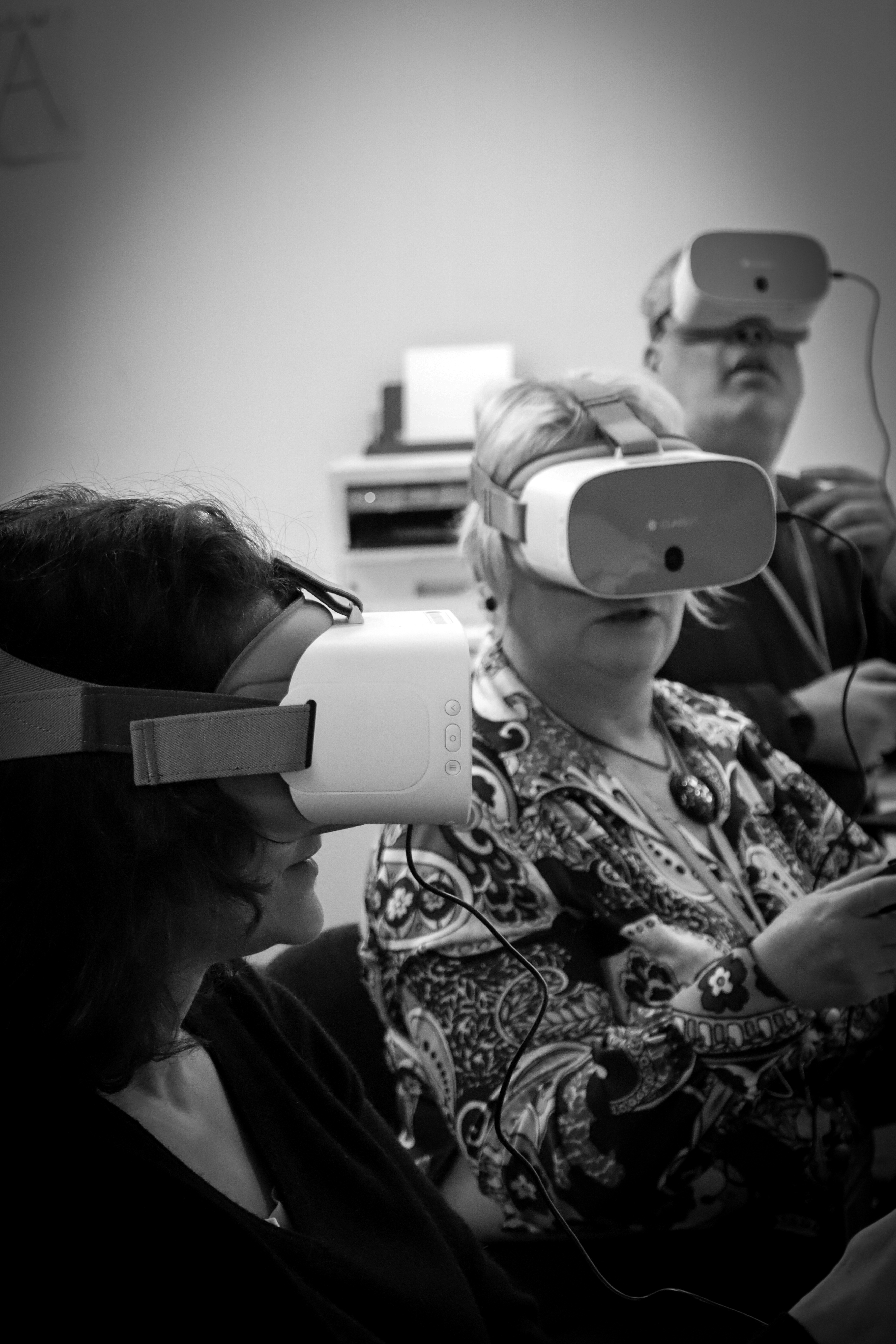

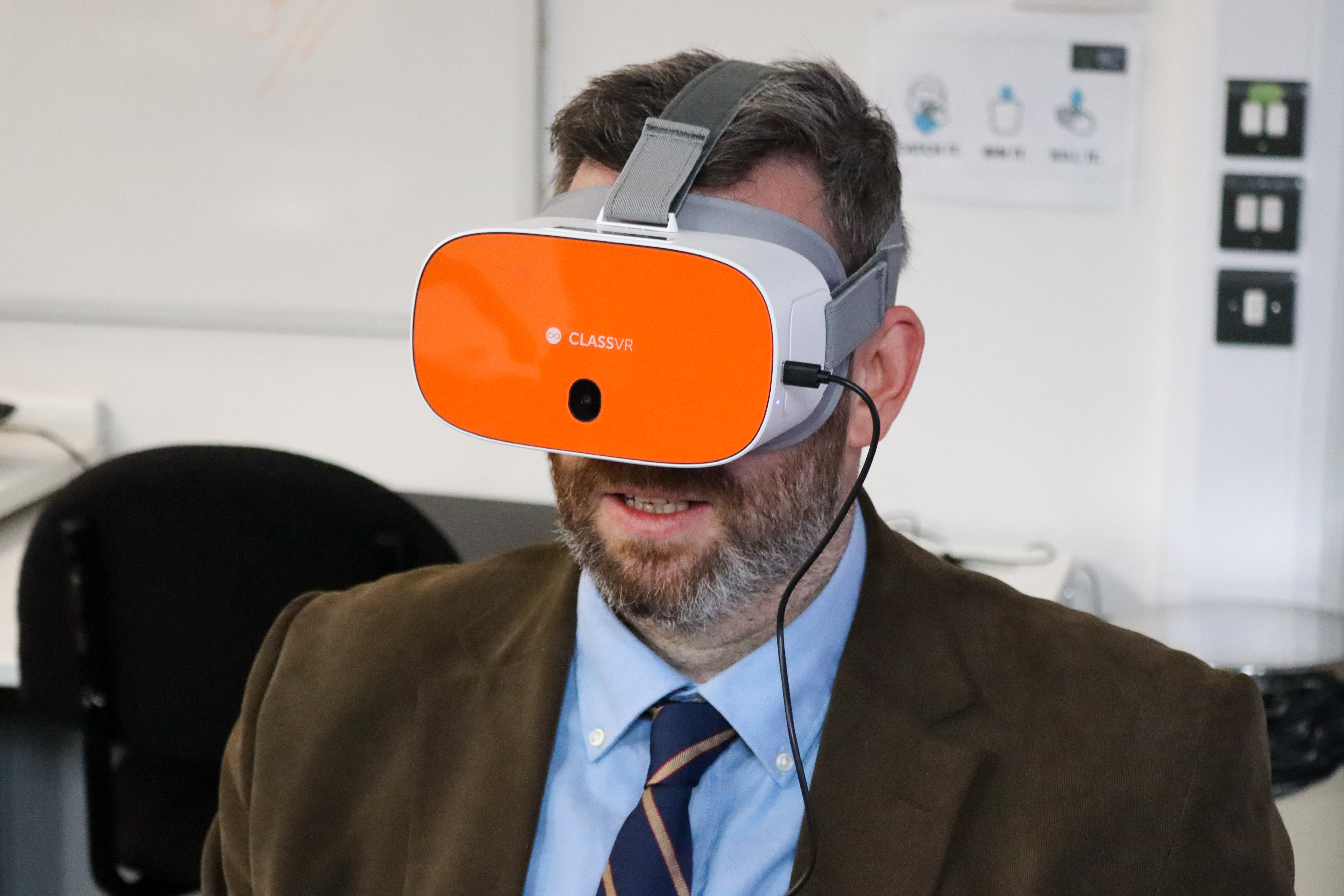
AI can significantly enhance teaching and learning experiences in a myriad of ways. For instance, AI-powered adaptive learning systems can create personalised learning paths for each student. These systems assess individual strengths, weaknesses, and learning styles, customising content delivery accordingly. This approach improves learning outcomes and engagement significantly (Woolf, 2019). Furthermore, AI can take over administrative tasks, freeing educators to focus on instruction and student interaction. This increased efficiency is a boon to our often-overburdened teachers (Luckin, 2018).
Moreover, embedding AI in education serves a dual purpose of preparing students for a technology-fuelled future. It’s no secret that tomorrow’s workplaces will demand a high degree of tech fluency. Integrating AI into our teaching practices not only potentially makes lessons more engaging and effective, but it also gives students first-hand experience with AI, equipping them with essential future-ready skills.
However, the integration of AI into schools is not without concerns. A significant concern involves data privacy. AI systems rely on large amounts of data to function effectively. It’s vital to implement robust data protection measures to safeguard against any potential misuse. Regulators, schools, and AI providers must work closely to ensure such measures are in place and effectively communicated to all stakeholders (OECD., 2018). At BGS, we have developed guidance for teachers to refer to when using Generative AI tools. Using the methods and approaches outlined in our staff training sessions and Academic Honesty Policy appendix, which is specific to AI tools, teachers and students will have the confidence to use these tools safely and ethically.
There’s another aspect to consider; the potential over-reliance on AI, and a consequent atrophy of human intelligence (HI). In a world increasingly mediated by AI, we need to ensure that our students don’t lose sight of the inherent value of human metacognition and emotional intelligence.
Human metacognition, the awareness and understanding of one’s own thought processes, is a critical component of effective learning. Emotional intelligence, encompassing the ability to identify, use, understand, and manage emotions, is just as crucial in fostering positive interactions and relationships. With the use of AI, there’s a risk that learners might lean too heavily on the machine’s intelligence, bypassing opportunities to develop their own metacognitive and emotional skills.
At BGS, we are mitigating this by developing guidance and training for teaching staff on how to blend AI and HI in their teaching practice. While AI can provide personalised learning paths, teachers supplement this with strategies to promote self-reflection, critical thinking, understanding of potential bias and inaccuracies in the results the tools produce, in addition to emotional awareness.
By consciously weaving elements of metacognition and emotional intelligence into lessons, we can equip our students with a balanced set of skills, ensuring they’re ready not just to use AI, but to collaborate with it. This approach ensures we’re raising a generation of learners who can leverage AI’s power without losing their human intellect’s richness. AI in education should always be viewed as a tool that enhances human potential, never as a substitute for it.
The final concern to address is the fear that AI might replace teachers. However, this apprehension is totally unfounded – teachers are here to stay! AI tools are designed to support, not supplant, human teachers. Education is an inherently human endeavour, centred on relationships, empathy, and understanding. These qualities cannot be replicated by AI. Instead, we should view AI as a tool to enhance the teacher’s role, not eliminate it – this is exactly how we are viewing AI in education. We believe that AI in the hands of our subject specialists is like acquiring a new superpower.
The time has come for educators to embrace the disruptive power of AI and to leverage its capabilities to enhance their teaching practices. While the concerns are valid, they are not insurmountable. With the right planning, policy measures, and a willingness to innovate, we can harness AI to create an educational experience that is more personalised, engaging, and future-proof than ever before. As stakeholders in this transformative journey, let us welcome the dawn of AI in education and embrace its potential to shape our children’s futures.
References
Woolf, B. P. (2019). Building Intelligent Interactive Tutors: Student-centered Strategies for Revolutionizing E-learning.
Luckin, R. (2018). Machine Learning and Human Intelligence: The Future of Education for the 21st Century.
OECD (2018). Bridging the Digital Divide: Including all learners in the digital era.
 From the Headmistress